
How Can I Hold a Landlord Accountable for Negligent Security If I Was Injured on Their Property?
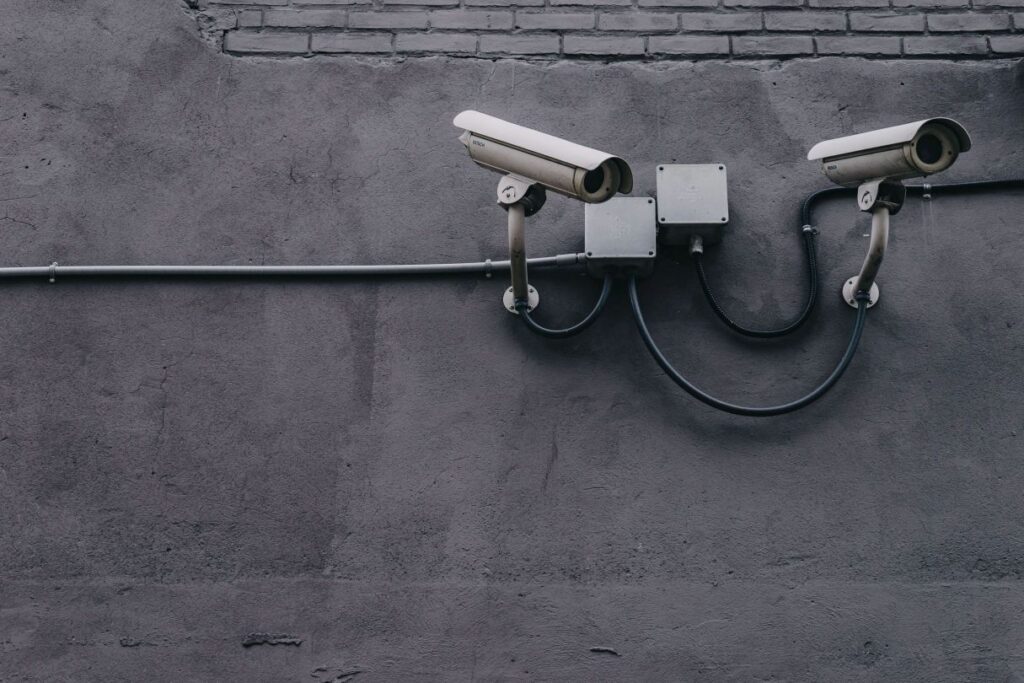 If you’ve ever been injured on a rental property because of poor security, you’re not alone. Many tenants face similar issues and wonder how to hold their landlord accountable for negligent security. This type of negligence happens when a landlord fails to provide reasonable safety measures, like working locks or good lighting, which can lead to tenants getting hurt by criminal acts. For example, imagine coming home to a dimly lit parking lot, making it an easy target for crime. If you were harmed due to such negligence, you might have a negligent security claim.
At Kyle Law Firm, we understand these cases can be complicated, and we’re here to guide you through the legal process. Our experienced attorneys are ready to review your situation, gather the necessary evidence, and fight for the compensation you deserve. Don’t let a landlord’s negligence go unchallenged. Contact us today at 830-620-9402 for a free consultation. We’re here to provide clear legal guidance to help you hold negligent property owners accountable and protect your safety and rights.
Understanding Negligent Security
Negligent security happens when landlords don’t provide the necessary safety measures, leading to tenants getting hurt by criminal activities. This kind of negligence is part of premises liability law, which lets people sue property owners or tenants if they get injured because of someone else’s actions. If landlords don’t provide adequate security, they can be held responsible for any harm that occurs.
By law, landlords must ensure the property is safe and secure for tenants and visitors. This means they have a duty to:
- Keep the property up to a certain standard
- Look for potential dangers
- Fix hazardous conditions
- Warn residents about possible risks
This responsibility covers both individual units and common areas. If a property owner ignores these duties and a tenant gets hurt because of a foreseeable crime, the landlord can be held liable with a negligent security claim.
Negligent security claims are civil cases where victims seek compensation for their injuries and losses from the building’s owner or management. These claims emphasize the need to:
- Hold landlords accountable for not protecting their tenants
- Prioritize tenant safety
- Bring negligent property owners to justice.
Are There Any Statutes of Limitations for Filing a Negligent Security Claim?
Yes, in Texas, there is a time limit for filing a negligent security claim. Typically, you have two years from the date of the incident to file a personal injury claim. This deadline is crucial because if you miss it, you may lose your right to seek compensation for your injuries and damages.
Therefore, it’s important to act quickly and consult with a skilled personal injury lawyer. They can help you understand your rights, gather necessary evidence, and ensure all legal deadlines are met. An attorney will guide you through the legal process to strengthen your case and improve your chances of getting fair compensation.
Common Examples of Negligent Security
 Negligent security can show up in different ways, increasing risks for tenants and visitors in an apartment complex. Here are some common examples:
- Broken doors and locks: Allow unauthorized people to enter, putting tenants at risk due to inadequate security.
- Broken gates or fences: Make it easier for unauthorized individuals to access the property.
- Poor lighting: Especially in areas like parking lots, stairwells, and hallways, increases security risks.
- Lack of security personnel: In high-crime areas, not hiring security guards or having personnel who fail to monitor cameras or respond to calls.
- Negligence in hiring and training security personnel: Can lead to ineffective security measures.
- Failing to maintain security cameras: Considered negligent if it contributes to a security breach.
Being aware of these common negligent security issues can help tenants spot potential problems and take the right steps to address them.
What Are Some Less Obvious Examples of Negligent Security That Individuals May Not Consider?
While broken locks and poor lighting are common examples of negligent security, there are several less obvious instances that tenants and visitors might overlook. These can significantly impact tenant safety and landlord liability. Consider the following:
- Inadequate Emergency Exits: All emergency exits must be easy to find and use. If exits are blocked or not marked, it can be dangerous during emergencies.
- Outdated Security Systems: Using old or broken security systems, like alarms or intercoms, can make it easier for crimes to happen.
- Poorly Maintained Landscaping: Overgrown bushes or trees can hide criminals, increasing the risk of attacks.
- Lack of Tenant Education: Not teaching tenants about safety rules or how to report suspicious activities can lead to security problems.
- Insufficient Visitor Screening: Without a system to check or track visitors, unauthorized people might enter the property unnoticed.
Recognizing these less obvious security issues is essential for tenants to advocate for their safety and hold landlords accountable when necessary.
Steps to Take Immediately After an Injury
If you’ve been injured because of negligent security, it’s important to act quickly to protect your health and legal rights. Here are the steps you should take:
- Get Medical Help: Make sure you receive medical treatment for your injuries and keep records to support your personal injury claim.
- Report the Incident: Inform the property management company or landlord right away to create an official record of what happened.
- Document the Scene: Take photos or videos of where the injury took place and any injuries you have.
- Collect Witness Information: Get contact details and statements from anyone who saw the incident.
- Preserve Evidence: Keep any physical evidence related to the incident, like damaged property or security footage.
Following these steps will help you build a strong case for your negligent security claim and work towards getting fair compensation for your injuries.
Proving Landlord Liability for Negligent Security
 To hold a landlord accountable for negligent security, tenants need to prove certain key points about landlord liability. Proving these elements is critical in any negligent security case and directly impacts your personal injury claim. The process can be broken down into three main parts: duty of care, breach of duty, and causation and damages. Each of these must be clearly shown to build a strong case for negligent security.
Duty of Care
Landlords have a legal responsibility to their tenants and visitors as outlined by federal and state laws, such as the Federal Fair Housing Act and state premises liability law. This duty of care means property owners must:
- Make reasonable efforts to keep their property safe from hazards
- Maintain the buildings’ physical condition
- Protect tenants from potential criminal acts
To ensure security, landlords can take practical steps like:
- Hiring security guards
- Installing security cameras
- Providing adequate lighting
- Keeping doors and gates secure
These measures are crucial for preventing foreseeable crimes and ensuring tenant safety.
Breach of Duty
A breach of duty happens when a landlord doesn’t take reasonable steps to ensure safety on their property. This could involve not fixing broken locks, ignoring the need for proper lighting, or failing to hire security personnel in areas with higher crime rates. When such negligence leads to a tenant’s injury, it represents a breach of duty.
For instance, if an apartment owner doesn’t provide enough lighting in a parking lot and a tenant gets assaulted because of it, this can be a basis for a negligent security claim. The property owner fails to fulfill their duty by not taking reasonable actions to prevent such risks.
Causation and Damages
Once it’s clear that the landlord didn’t meet their safety responsibilities, the next step is to prove that this failure directly caused the tenant’s injury. This means showing a clear connection between the landlord’s negligence and the harm the tenant suffered.
In these cases, damages can include:
- Financial damages might cover medical bills, lost earnings, and property damage
- Non-financial damages can include pain and suffering and emotional distress
Calculating these damages accurately is critical to ensuring the victim receives fair compensation.
Can Multiple Landlords Share Liability for a Single Incident on a Property?
Yes, multiple landlords can be responsible for a single incident on a property, especially when different people or companies share ownership or management duties. Each landlord or property management company might be accountable for their part in keeping the property safe and secure. For example, if one landlord handles security cameras and another takes care of lighting, both could be liable if their negligence leads to an incident.
When filing a negligent security claim, it’s important to identify everyone involved in managing and maintaining the property. A skilled personal injury lawyer can help figure out each party’s responsibility, making sure all those at fault are held accountable. This increases your chances of getting fair compensation for your injuries and damages.
Gathering Evidence for Your Personal Injury Claim
Gathering evidence is crucial for building a strong personal injury claim against a landlord for negligent security. The more evidence you have, the stronger your case will be. It’s important to collect this evidence as soon as possible after the incident. Key types of evidence include:
- Surveillance footage: This offers direct visual proof of what happened and can be vital in showing how the incident occurred.
- Police reports: These provide an official account of the incident, often including witness statements that support your version of events.
- Maintenance records: These can reveal broken or poorly maintained security equipment, highlighting the landlord’s failure to ensure adequate security measures.
- Documentation of poor lighting: This is important to show how inadequate lighting can lead to increased crime risk, further emphasizing the landlord’s negligence.
Collecting this evidence will highlight how the landlord’s negligence contributed to your injuries, strengthening your personal injury claim.
Types of Compensation Available
Victims of negligent security incidents can seek different types of compensation to help with the damages they’ve suffered. Here’s what you might be able to claim:
- Medical Expenses: This covers costs for surgeries, hospital visits, medications, and any ongoing treatments needed due to the injuries.
- Lost Wages: If you had to take time off work to recover, you could be compensated for the income you lost.
- Future Earning Potential: If your injuries cause long-term disability that affects your future income, you might receive financial support.
- Pain and Suffering: This includes compensation for the physical pain and emotional distress you faced.
- Property Damage or Theft: You can be reimbursed for any property damage or losses that happened during the incident.
- Punitive Damages: In very serious cases, the court might award punitive damages to punish the landlord and prevent future negligence.
Knowing these compensation types is important for making sure you get fair compensation for your injuries and losses.
Importance of Hiring a Personal Injury Attorney
Hiring a seasoned attorney is critical for understanding your rights and navigating the complexities of negligent security laws. A skilled attorney can help you explore your legal options and build a strong case to hold the landlord accountable. If you’re injured on a rental property, consulting a premises liability attorney is essential for getting the right legal advice and support.
A personal injury lawyer can help level the playing field by handling the legal process, proving negligence, and negotiating settlements, often without needing to go to court. This ensures that your case is managed effectively and increases the likelihood of securing fair compensation for your injuries and losses.
How Kyle Law Firm Can Help You
Kyle Law Firm provides a free consultation to help victims of negligent security start the process of holding negligent parties accountable. Our team has a wealth of knowledge in handling these cases. Here’s how we can assist you:
- Evaluate the strength of your case
- Collect evidence to support your claim
- Deal with insurance companies on your behalf
- Represent you in court if needed
Our approach focuses on providing personalized legal support, ensuring that clients receive guidance from professionals. At Kyle Law Firm, we prioritize direct communication with our attorneys, so you’ll work closely with experienced lawyers who understand your case and are committed to achieving the best outcome.
Don’t let a landlord’s negligence go unchallenged. Contact Kyle Law Firm today for a free consultation and let us help you navigate the legal process with confidence. Call us at 830-620-9402 to discuss your case and explore your legal options.
830-620-9402call us today